
Why Should You Switch to LED Lights?
Switching from incandescent or CFL bulbs to LEDs can cut your lighting electricity bill by 80–90%. A standard 9W LED produces the same brightness as a 60W incandescent bulb — that's roughly ₹500 in annual savings per bulb, according to Gold Medal India. If your 3BHK in DLF Phase 1 has 20 light points, that's ₹10,000 saved every year just by swapping bulbs.
LEDs also last dramatically longer. A typical LED bulb runs for 25,000+ hours — that's 15–20 years at 4 hours of daily use. An incandescent bulb lasts just 1,000–2,000 hours, meaning you'd burn through 12–25 bulbs in the same period. Factor in replacement costs and trips to the electricals shop, and the cost difference is significant.
If you're planning a renovation or new wiring in Gurgaon, check our electrical wiring cost guide — your wiring spec affects which LED fixtures you can install later.
What Are the Different Types of LED Lights for Homes?
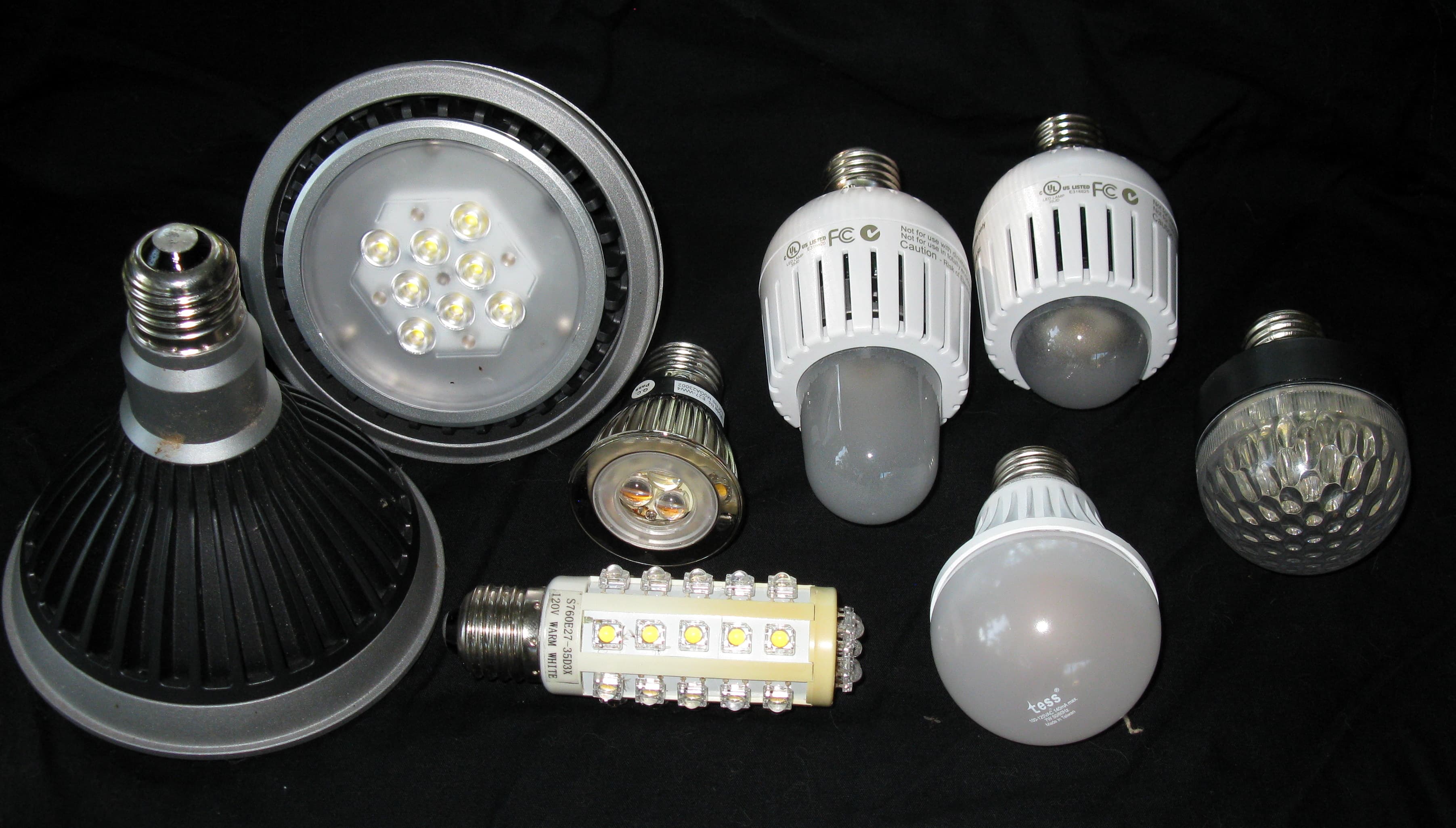
LED lights come in six main fixture types for residential use, each suited to different spots in your home. Standard LED bulbs (B22 or E27 base) are the simplest swap — they screw into your existing holders and range from 3W to 40W. LED tube lights replace old fluorescent tubes and come in 2-foot and 4-foot sizes, typically 18–22W.
LED panel lights are flat, slim fixtures that sit flush with false ceilings. They come in round and square shapes, from 6W to 50W, and give a clean, uniform glow — very popular in modern Gurgaon apartments. COB (Chip-on-Board) spotlights produce focused, directional light. Use them for accent lighting on walls, artwork, or kitchen counters. They range from 3W to 15W.
LED strip lights are flexible adhesive-backed ribbons sold by the metre. They work for cove lighting behind false ceilings, under kitchen cabinets, or along staircases. LED downlights recess into the ceiling and provide soft ambient light — typically 5–15W. Your electrician can advise on cutout sizes during installation, according to Fybros.
How Many Watts Do You Need for Each Room?
The right wattage depends on room size and function — not just a single number. For bedrooms, 3–9W LED bulbs (800–1,000 lumens) create a comfortable, relaxed atmosphere. A 10x12 ft bedroom in a Sohna Road apartment typically needs one 9W ceiling light plus a 3W bedside lamp, according to Fybros.
Kitchens need clear, bright light for chopping and cooking safely. Go with 12–22W LEDs (2,000+ lumens). Under-cabinet LED strips add task lighting where you need it most. Living rooms work with 9–15W for general ambient light, plus accent spotlights if you have display shelves.
Study rooms and home offices need 13–15W desk lamps with 25–40W overhead LEDs. Bright, cool-toned light reduces eye strain during long work sessions. Bathrooms need 9–12W of moisture-rated LEDs — regular bulbs can corrode in humid bathroom environments.
Pro tip: if a room has multiple light points, use lower wattage per fixture. Two 9W bulbs spread light more evenly than one 18W bulb in the centre.
What Does Colour Temperature Mean for LED Lights?
Colour temperature — measured in Kelvin (K) — determines whether your light looks warm and yellowish or cool and bluish-white. It's not about heat. It's about mood and functionality.
Warm White (2700–3000K) gives a soft, yellowish glow similar to old incandescent bulbs. It's relaxing and cosy — use it in bedrooms, living rooms, and dining areas. Natural White (4000K) is a balanced, neutral tone that works in hallways, corridors, and general-purpose rooms, according to Fybros.
Cool White (5000–6500K) produces a bright, bluish-white light. It sharpens visibility and is ideal for kitchens, bathrooms, study areas, and workspaces. Most office buildings use this range.
A common mistake in Gurgaon homes: installing cool white 6500K bulbs in the bedroom. The light will appear harsh and clinical for a sleeping space. Match the colour temperature to how you use the room. Some brands like Philips and Wipro sell tunable smart LED bulbs that let you switch between warm and cool from your phone.
How Much Do LED Lights Cost in India?
LED prices in India vary widely — from ₹69 for a basic 9W bulb to ₹8,955 for a premium smart panel, according to LED Lights in India. Here's a practical breakdown by fixture type:
Standard LED bulbs (9W): ₹69–₹250 per bulb. Budget brands like Syska and Halonix sit at the lower end; Philips and Havells at the higher end. LED tube lights (18–20W): ₹200–₹500. These replace your old 36W fluorescent tubes. LED panel lights (12–18W round): ₹350–₹1,200. Price depends on build quality and brand. Slim panels cost more but look cleaner in false ceilings.
LED strip lights: ₹80–₹300 per metre. Quality varies — cheap strips often lose 30–50% brightness within 6 months. LED downlights (5–15W): ₹250–₹800. COB spotlights: ₹200–₹1,500 depending on wattage and beam angle.
For a typical 3BHK in Gurgaon with 20 light points, a full LED upgrade using mid-range brands costs ₹5,000–₹12,000 — roughly the same as 2–3 months of the electricity you'll save. If you're buying in bulk, check our essential tools list — you'll need a tester and screwdriver set for basic installations.
How to Calculate Your LED Electricity Cost
Every LED bulb label shows wattage, but what does that mean for your electricity bill? The formula is simple: (Wattage ÷ 1,000) × Hours Used = kWh consumed. A 9W LED bulb running 8 hours daily uses 0.009 × 8 = 0.072 units (kWh) per day, or about 2.16 units per month, according to Gold Medal India.
At Gurgaon's domestic electricity rate of approximately ₹8 per unit, that 9W bulb costs you ₹17 per month. Compare that to a 60W incandescent doing the same job: 0.06 × 8 = 0.48 units/day = 14.4 units/month = ₹115/month. That's nearly 7× more expensive for the same brightness.
Scale that across your home: 15 LED bulbs at 9W each, used 6 hours daily, consume about 24.3 units/month — roughly ₹194. The same 15 fixtures with incandescent bulbs would cost ₹1,296/month. The monthly saving of ₹1,100 adds up to over ₹13,000 per year. LEDs pay for themselves within the first couple of months.
What Should You Check Before Buying LED Lights?
Lumens matter more than watts. A 9W LED from one brand might produce 800 lumens while another pushes 900 lumens at the same wattage. Higher lumens per watt means better efficiency — look for LEDs rated at 80–100 lumens per watt, according to Gold Medal India.
Check the CRI (Colour Rendering Index). CRI measures how accurately colours appear under the light. A CRI of 80+ is the minimum for home use — below that, your walls and furniture will look washed out. Premium LEDs hit CRI 90+.
Verify the BIS certification mark (IS 16102). This ensures the bulb meets Indian safety and performance standards. Avoid no-name brands sold loose at local markets — they often lack certification and fail early. If you need help reading certification marks, our electrical safety standards guide covers BIS labelling for all electricals.
Warranty matters too. Reputable brands offer 1–3 year warranties. Keep the bill — you'll need it for replacements. Pro tip: buy one bulb first and test it for a week before buying in bulk. Cheap LEDs sometimes flicker at low voltage, which is common in newer Gurgaon sectors during peak summer.
Which LED Brands Are Available in Gurgaon?
Gurgaon has strong retail and online availability for all major LED brands. For premium quality, Philips leads with advanced features, higher CRI, and smart home integration — available at all electrical retailers and on HandyPanda, according to HouseGyan.
Havells offers a balanced mid-range lineup. Their LED panels and downlights are popular in Gurgaon apartments — you'll find them at shops on Basai Road and Sector 14 electricals markets. Wipro is the go-to for budget smart lighting — their Wi-Fi-enabled bulbs work with Alexa and Google Home and cost significantly less than Philips equivalents.
Syska provides the most affordable options without major quality compromises. Their 9W bulbs regularly sell below ₹100 online. Crompton rounds out the mid-range with reliable tube lights and panel lights widely used by contractors. For decorative and modular kitchen lighting, look at Wipro and Philips track lights and under-cabinet strips.
When buying locally, visit the Sector 14 electricals market for the widest brand selection and competitive pricing. For convenience, order through HandyPanda — we deliver electricals across Gurgaon including Sohna Road, DLF Phase 1–5, and Palam Vihar.